Seasonal Form Cycles Influencing Selection Timing Across Global Turf Circuits, Baseline Exchanges, and Pitch Leagues
Written by Riley Richter · Nov 5, 2026
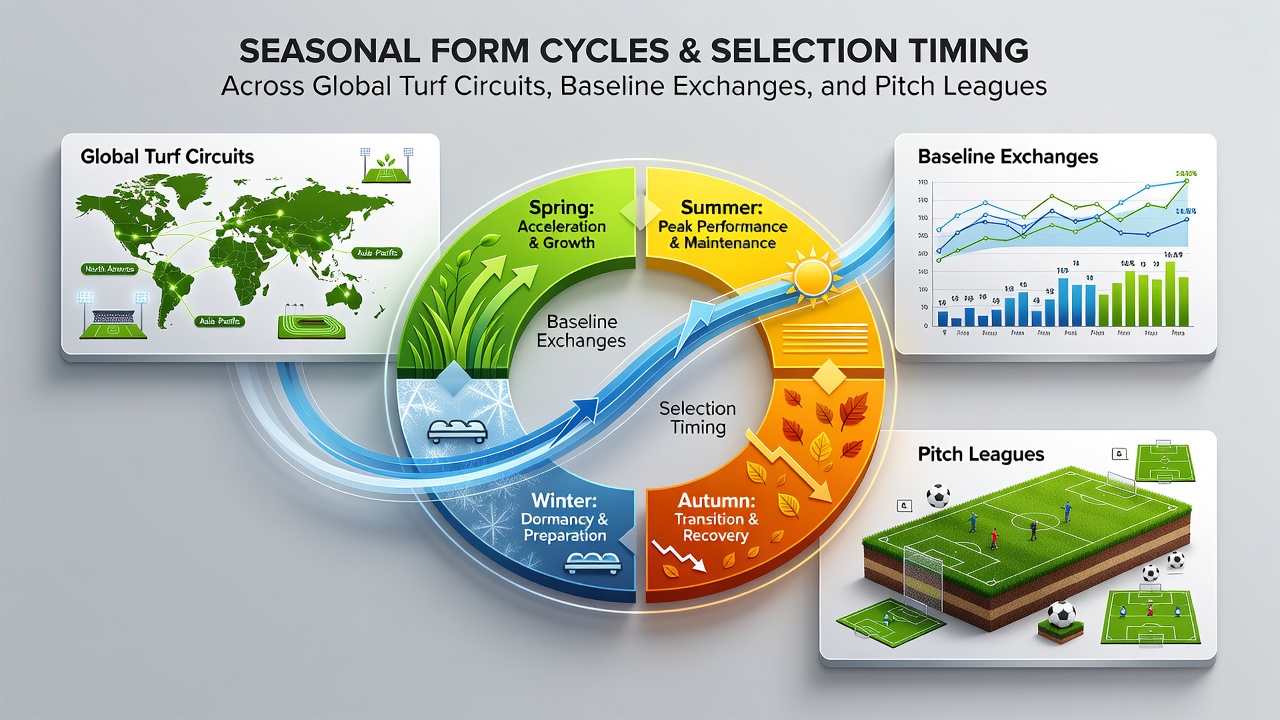
Seasonal Form Cycles Influencing Selection Timing Across Global Turf Circuits, Baseline Exchanges, and Pitch Leagues
Seasonal form cycles shape how selectors and managers time their choices in horse racing on turf, tennis on baseline exchanges, and football across pitch leagues, with data from performance tracking systems revealing consistent patterns tied to weather shifts, daylight hours, and recovery windows. Researchers at institutions such as the Australian Institute of Sport have documented how equine athletes on southern hemisphere tracks exhibit peak muscle efficiency during cooler months while northern circuits see different adaptation curves, prompting selectors to adjust entry schedules accordingly. Turf circuits worldwide demonstrate these rhythms through measurable changes in stride length and recovery rates, where spring transitions often coincide with higher injury reports in horses returning from winter rest periods. Baseline exchanges in tennis follow parallel trends, as court surface temperatures and humidity levels alter ball speed and player endurance, leading coaches to prioritize certain match timings based on historical serve and return statistics compiled over multiple seasons. Pitch leagues add another layer, since grass growth rates and soil compaction vary by latitude, influencing team selection for high-intensity fixtures during transitional months.Equine Performance Patterns on International Turf Surfaces
Global racing calendars align entries with regional climate data, where autumn meetings in Europe typically feature firmer ground that favors horses with proven speed figures from summer campaigns. Those who study form records note that November 2026 preparations in Australia will emphasize longer-distance selections as pastures recover from dry spells, while North American circuits shift toward sprint options as temperatures drop. Data from the International Federation of Horseracing Authorities shows that trainers who time debuts after adequate rainfall see improved placing percentages, since softer surfaces reduce stress on tendons and allow better energy distribution over race distances.
Selectors also monitor daylight variations, because shorter days in late autumn affect training routines and delay peak readiness for certain bloodlines. This leads to staggered entries where horses from southern stables compete earlier in northern spring events to capitalize on retained fitness from their home season.Tennis Baseline Dynamics and Environmental Timing
Tennis selection decisions incorporate surface and climate analytics, with hard-court swings in the northern hemisphere often favoring players whose return games adapt quickly to faster conditions after indoor winter blocks. Clay court specialists adjust their schedules around humidity peaks that slow rallies, allowing baseline exchanges to develop into longer points that reward endurance over raw power. Observers tracking ATP and WTA statistics find that players who enter tournaments during shoulder seasons, such as early autumn, maintain higher win rates because their bodies have recovered from summer heat exposure.
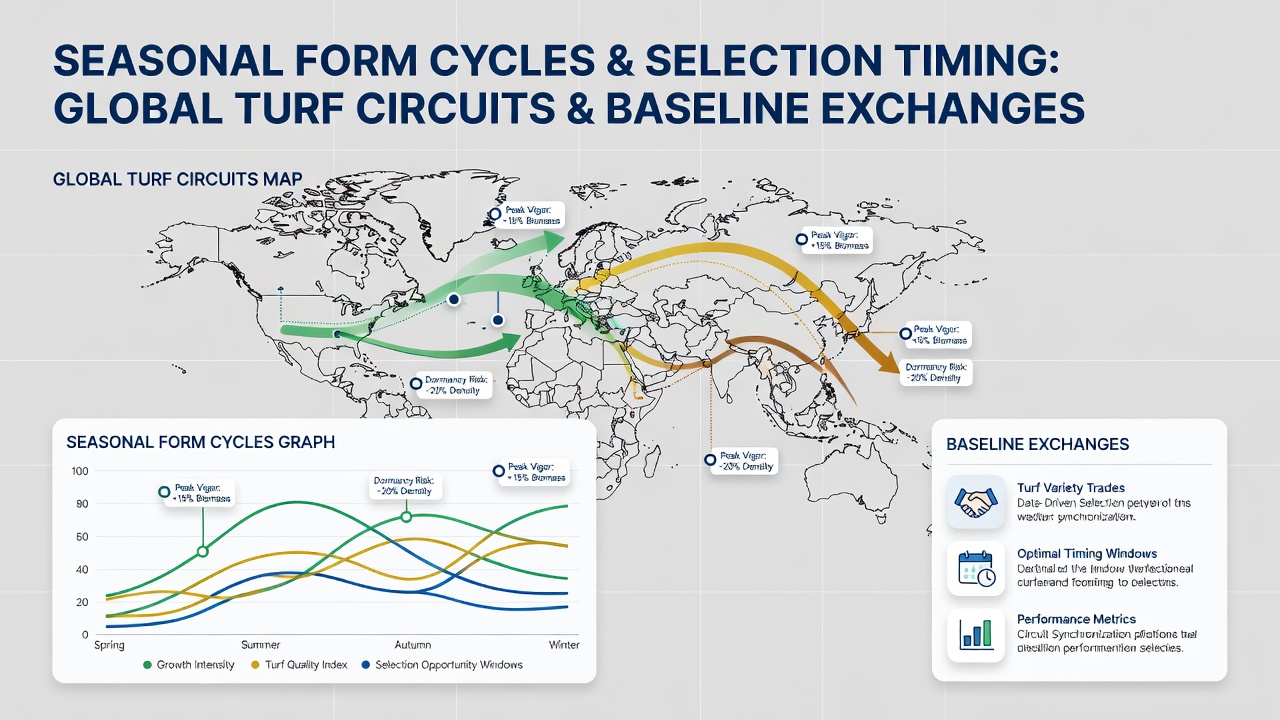 Coaches review movement data collected by wearable sensors to decide when an athlete should target specific events, particularly when jet lag combines with seasonal temperature drops. European indoor events in November provide controlled environments that contrast with outdoor swings elsewhere, giving selectors opportunities to preserve form for the following year's Australian swing.
Football Pitch Leagues and Squad Rotation Strategies
League administrators and managers use seasonal soil and weather metrics to guide squad choices, especially when pitches harden after summer droughts or become heavy following prolonged rain. Mid-season windows often see increased rotation as players recover from congested fixture lists, with data from UEFA technical reports indicating that teams selecting fresher legs during transitional periods record fewer late-match concessions. Southern hemisphere leagues experience mirrored effects during their own autumn phases, where cooler evenings prompt earlier starts and influence substitution patterns. Cross-continental comparisons reveal that leagues in temperate zones time key matches around optimal grass lengths, whereas tropical circuits manage humidity through adjusted kickoff times. This affects how recruitment teams evaluate talent from different regions, since form demonstrated in one climate may not translate directly without adjustment periods.
Integrated Selection Approaches Across Disciplines
Performance analysts increasingly cross-reference datasets from racing, tennis, and football to identify overlapping seasonal signals, such as recovery timelines after major events or surface transitions. Organizations including the Canadian Sport Institute and the German Olympic Sports Confederation have published studies showing that coordinated timing reduces overtraining risks when athletes or equine competitors move between climates. November 2026 schedules, for instance, will see overlapping preparation phases where selectors in all three domains prioritize rest blocks before peak windows. These patterns emerge most clearly when longitudinal tracking spans multiple years, allowing teams to anticipate dips in output during equinox periods or post-travel recovery phases. The result is a more precise calendar that aligns individual readiness with environmental conditions rather than fixed dates alone.
Conclusion
Seasonal form cycles continue to guide selection timing by providing measurable indicators across turf, baseline, and pitch environments, with evidence from performance databases supporting adjustments that match biological and environmental realities. Organizations tracking these variables report improved consistency when decisions incorporate climate forecasts and recovery metrics rather than relying solely on historical averages. As global circuits expand, the integration of such data becomes standard practice for maintaining competitive edges throughout the year.